THE RULES
Parts for 10 years
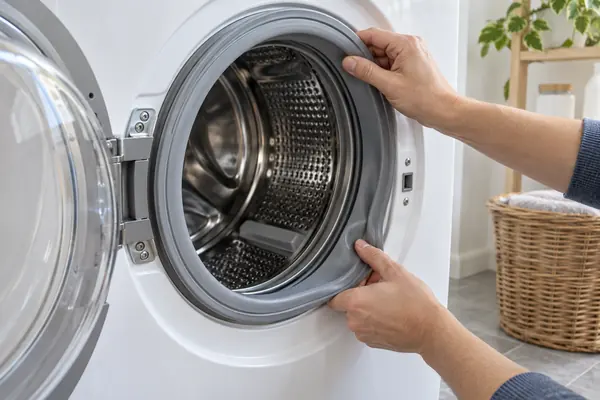
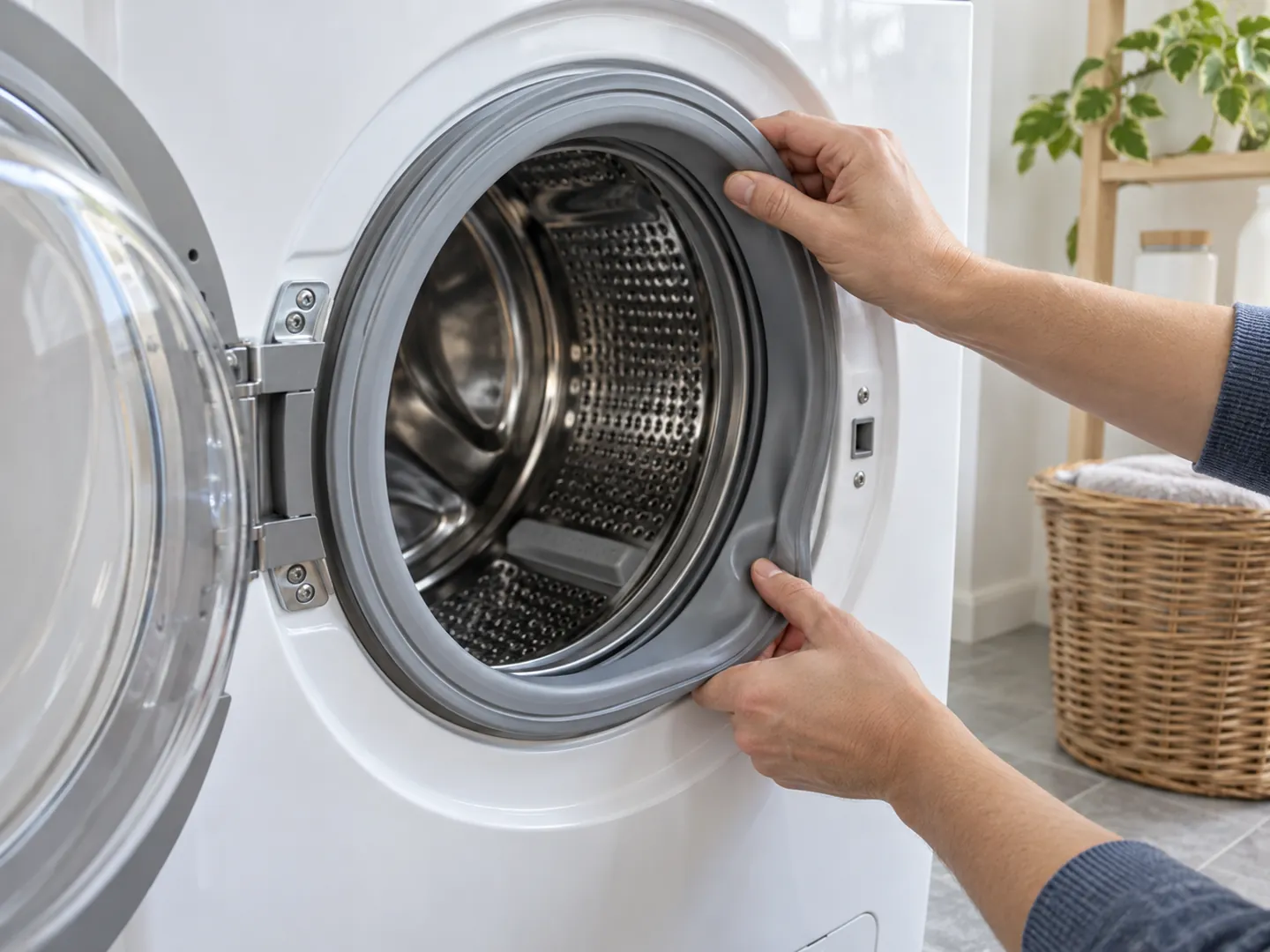
Washing machine makers must offer parts such as motors, pumps and door seals for at least 10 years after the last unit of a model goes on sale, delivered within 15 working days.
Check a part doodlegood
Start
REPAIR, IN PLAIN ENGLISH
A worn door seal should not end a washing machine.
Since summer 2021, makers of washing machines, dishwashers and fridges sold in Great Britain have had to keep spare parts available for 7 to 10 years. Some you can order yourself. And at UK repair cafés, just over half of broken electricals brought in leave working.
53%fixed at UK repair events
Check a partKeep in mind
THE SHORT ANSWER
Repair is easier when the part is on sale.
For several big appliances, the law now makes sure it is.
THE RULES
Washing machine makers must offer parts such as motors, pumps and door seals for at least 10 years after the last unit of a model goes on sale, delivered within 15 working days.
Check a partCOMMUNITY REPAIR
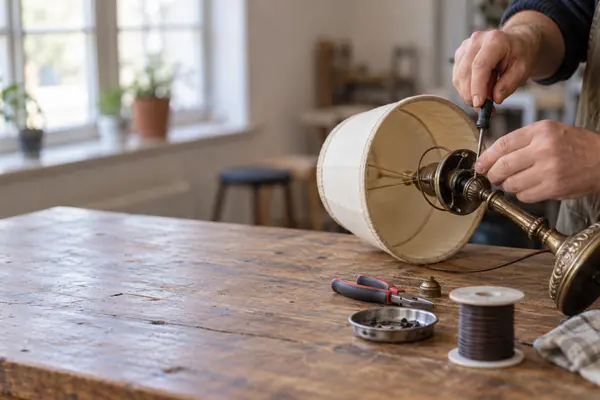
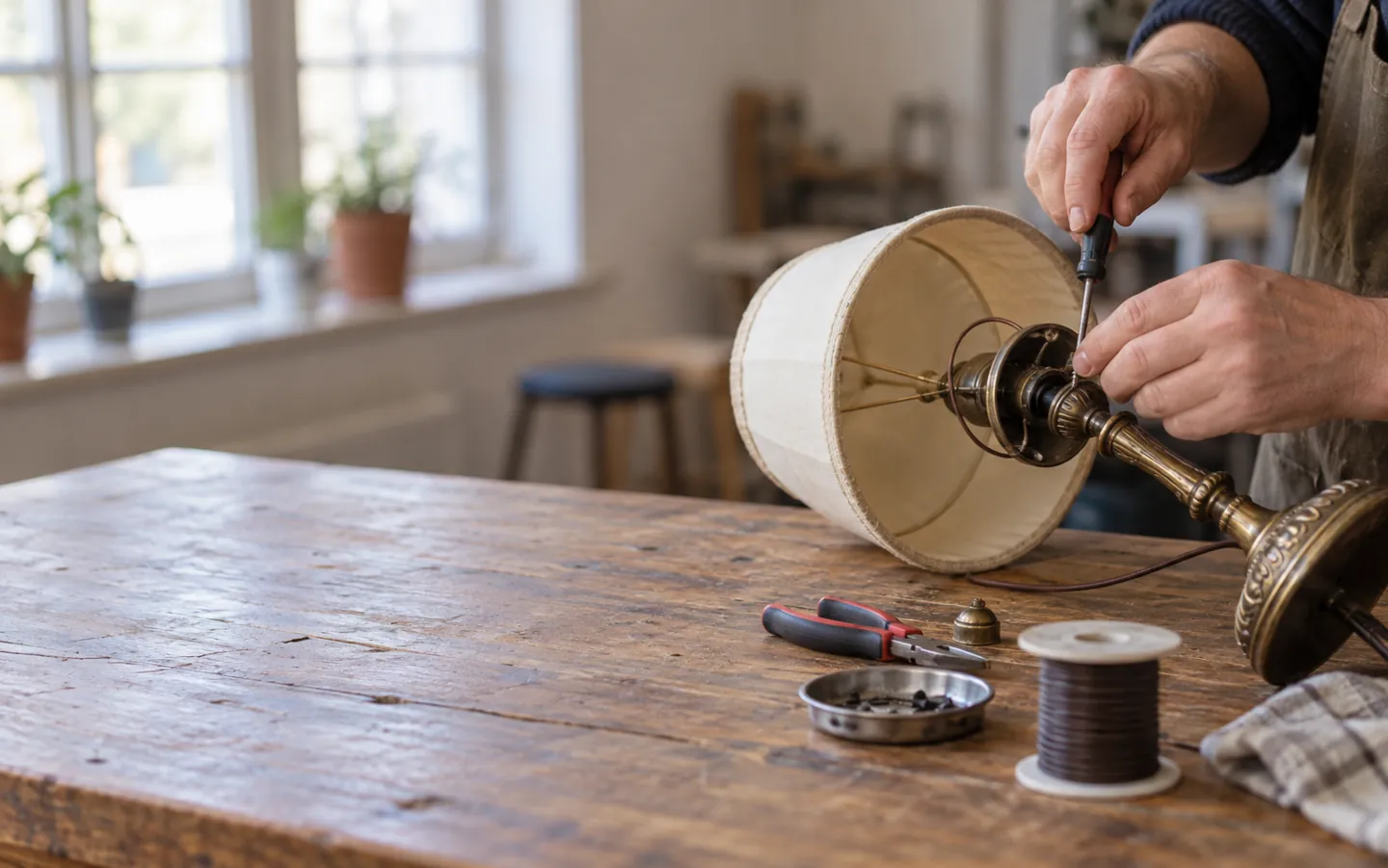
Of 20,229 electrical items logged at UK repair events in a year, 10,701 were fixed: a 53% success rate. Lamps and sewing machines did best.
See the numbersTHE WASTE
UK research estimated 155,000 tonnes of electricals a year were thrown into household bins and incinerated or landfilled.
Where it goesA QUICK PARTS CHECK
Pick a part. The bar shows the minimum years makers must keep it available after the last unit of the model goes on sale in Great Britain.
Based on Schedules 9 and 13 of the Ecodesign for Energy-Related Products and Energy Information Regulations 2021.
TWO NUMBERS WORTH KNOWING
One figure from UK community repair,
one from a national count of electrical waste.
53%
Electrical items fixed, Aug 2023 to Jul 2024
Repair attempts on 20,229 electrical and electronic items were logged at 2,081 events run by 261 groups, and 10,701 were fixed. Lamps (70%) and sewing machines (68%) had the highest success rates.
UK REPAIR EVENTS · RESTART PROJECT
155,000 tonnes
Electricals thrown in household bins each year
Part of at least 500,000 tonnes of waste electricals a year that were thrown away, hoarded, stolen or illegally exported, rather than reused or recycled.
BINNED · LANCASTER UNIVERSITY AND MATERIAL FOCUS
The lowest repair success rates were for DSLR and video cameras (27%), coffee makers (33%) and flat screens (35%). The main obstacles: spare parts not available, items too worn out, and no way to open the product.
FOUR STEPS BEFORE YOU REPLACE IT
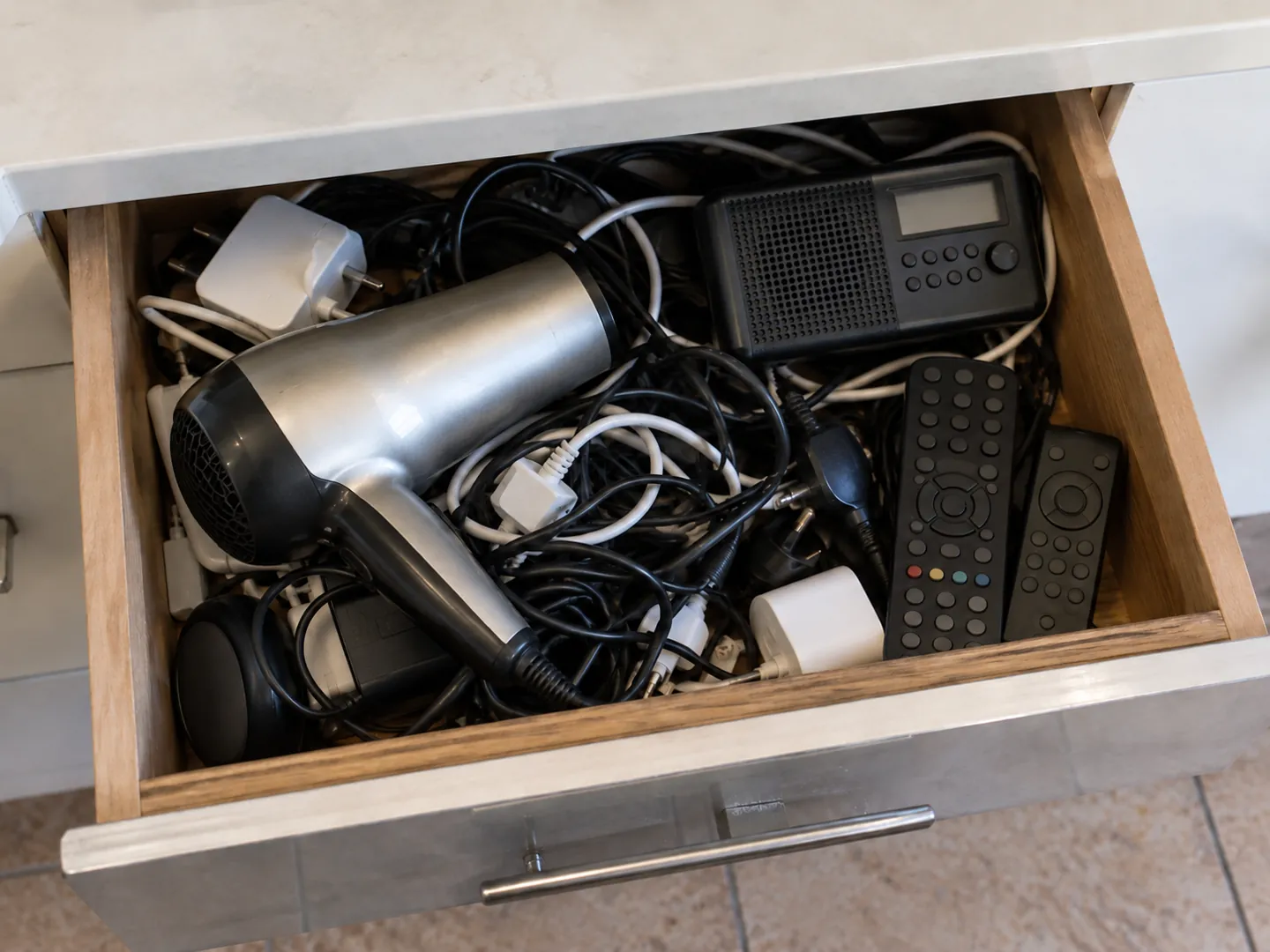
A few checks can tell you whether a broken appliance has a future.
Step 1
For washing machines and fridges, makers must publish the spare parts list and how to order on a website anyone can use free of charge.
Step 2
Door seals, hinges, trays and dispensers can be ordered by you. Motors, pumps and circuit boards need only be offered to professional repairers.
Step 3
There are now over 600 repair cafés across the UK, where volunteers help fix things. Lamps, vacuum cleaners and power tools are among the most often repaired.
Step 4
If it cannot be saved, take it for reuse or recycling. Electricals put in household bins end up incinerated or in landfill.
WHERE IT GOES
Research for Material Focus estimated that UK households and businesses bought 1.65 million tonnes of electricals in a year, and 1.45 million tonnes of electrical waste was available to be reused or recycled.
Of that, 82,000 tonnes of household electricals were processed by reuse organisations. When the government announced the spare parts rules, it said they were expected to extend the lifespan of products by up to 10 years.
Questions
For several product groups, yes. Since 2021, makers of washing machines, washer-dryers, dishwashers and fridges sold in Great Britain must keep listed spare parts available for at least 7 or 10 years after the last unit of a model goes on sale.
Some of them. For washing machines, doors, hinges, seals, the door lock and detergent dispensers must be offered to end-users. Parts such as motors, pumps and circuit boards need only be offered to professional repairers.
The regulations say makers must deliver spare parts within 15 working days of receiving an order, during the period the parts must be available.
Often. Across 20,229 electrical items logged at UK repair events between August 2023 and July 2024, 10,701 were fixed, a 53% success rate.
Not by the 2021 Regulations, which cover product groups such as fridges, dishwashers, washing machines, electronic displays, welding equipment and electric motors.
Destination
Updated
ABOUT THIS NAME
doodlegood.com is part of the DoodleSale portfolio. It isn't in an auction right now, but you can ask about leasing it.